Green Tea Extract and EGCG: What the Cognitive Evidence Supports
The short answer
EGCG is the main catechin in green tea, and green tea's attention research usually pairs it with L-theanine and caffeine.
What follows is what the evidence actually supports, and where it stops.
What this actually means
EGCG is the main catechin in green tea, and green tea's attention research usually pairs it with L-theanine and caffeine. That definition matters because the word gets used loosely in supplement marketing, where a real mechanism is often stretched into a promise the evidence does not carry.
Isolated EGCG at low doses has a much thinner cognitive story than the tea itself does.
Why it matters if you are buying a supplement
Almost every purchase decision in this category comes down to one question: is the thing being sold addressing the actual cause of the problem you have? Attention problems, sleep debt, nutrient shortfalls and vascular risk all produce similar-feeling symptoms, and they need different responses. Getting the cause right is worth more than getting the product right.
Isolated EGCG at low doses has a much thinner cognitive story than the tea itself does. That is why the sequence on this site is always the same — understand the mechanism, check the dose, then decide whether a product is buying you anything.
Four things worth knowing
- Attention studies typically use 250 mg or more of EGCG.
- L-theanine, absent from most extract-only products, is central to the calm-focus effect.
- Concentrated green tea extract carries a rare liver signal at high doses.
- A cup of brewed green tea provides roughly 50–100 mg of EGCG.
Where to claim the MemoHoney discount
The MemoHoney discount is applied by bundle size rather than a coupon code. Three bottles is the pack that matches a fair 8-to-12-week trial while staying inside the 60-day guarantee.
View the MemoHoney Discount 60-day money-back guarantee · official website checkout onlyWhat to do about it
- Check whether L-theanine is present if focus is the reason you are buying.
- Multiply the extract dose by the EGCG percentage to get the real figure.
- Brewed tea is a cheaper route to the same catechins.
None of those three cost anything, which is the point. In cognitive health the interventions with the best evidence — sleep, exercise, treating vascular risk, correcting an actual deficiency — are consistently cheaper and less marketed than the ones with the weakest.
One more framing point. Effect sizes in cognitive research are usually small, and small effects are exactly the ones personal impression cannot detect. That is why a written baseline beats a feeling every time, whether you are testing a supplement, a sleep change or a new routine.
It is also worth separating what is measurable from what is marketable. The interventions with the strongest evidence in this field are rarely the ones with a product attached, which tells you something about why you hear about them least.
If you take prescription medication, run any new supplement past a pharmacist first. It takes minutes, it is usually free, and a printed label makes the answer immediate.
The myth to drop
Myth: green tea extract equals green tea. The extract lacks theanine and concentrates the catechins, which changes both the benefit and the risk profile.
For background reading from a source with no product to sell, see MedlinePlus — memory and National Institute on Aging — memory loss and forgetfulness.
Where MemoHoney fits
MemoHoney official website is a once-daily capsule providing a 600 mg blend of Bacopa Monnieri 100 mg, Alpha-GPC 60 mg, green tea extract 60 mg, Lion's Mane 50 mg, bilberry 40 mg, Acetyl-L-Carnitine 22 mg and Vitamin B6 at 119% of the Daily Value, alongside coleus forskohlii, cinnamon bark and Himalayan pink salt. It prints every dose, which is rare and genuinely useful.
Read against this topic, the honest placement is as a background nutritional layer rather than a solution. Seven of its ten ingredients sit below the doses used in published research, so it belongs underneath sleep, exercise and a decent diet — not in place of them. The detail is on the MemoHoney ingredient and dose analysis.
Is the MemoHoney sale price worth it?
Ignore the crossed-out reference price and judge the real numbers: $158, $207 or $294, with a 60-day money-back guarantee attached to every one of them.
Check MemoHoney Sale Pricing 60-day money-back guarantee · official website checkout onlyQuestions readers ask
Does MemoHoney help with this?
MemoHoney provides Bacopa, Alpha-GPC, polyphenols and a full dose of Vitamin B6 as daily nutritional support. It is not a treatment, and most of its ingredients sit below the doses used in published research.
What should I do first?
Address the cause rather than the symptom — sleep, attention environment, vascular risk and any actual nutrient shortfall come before any supplement decision.
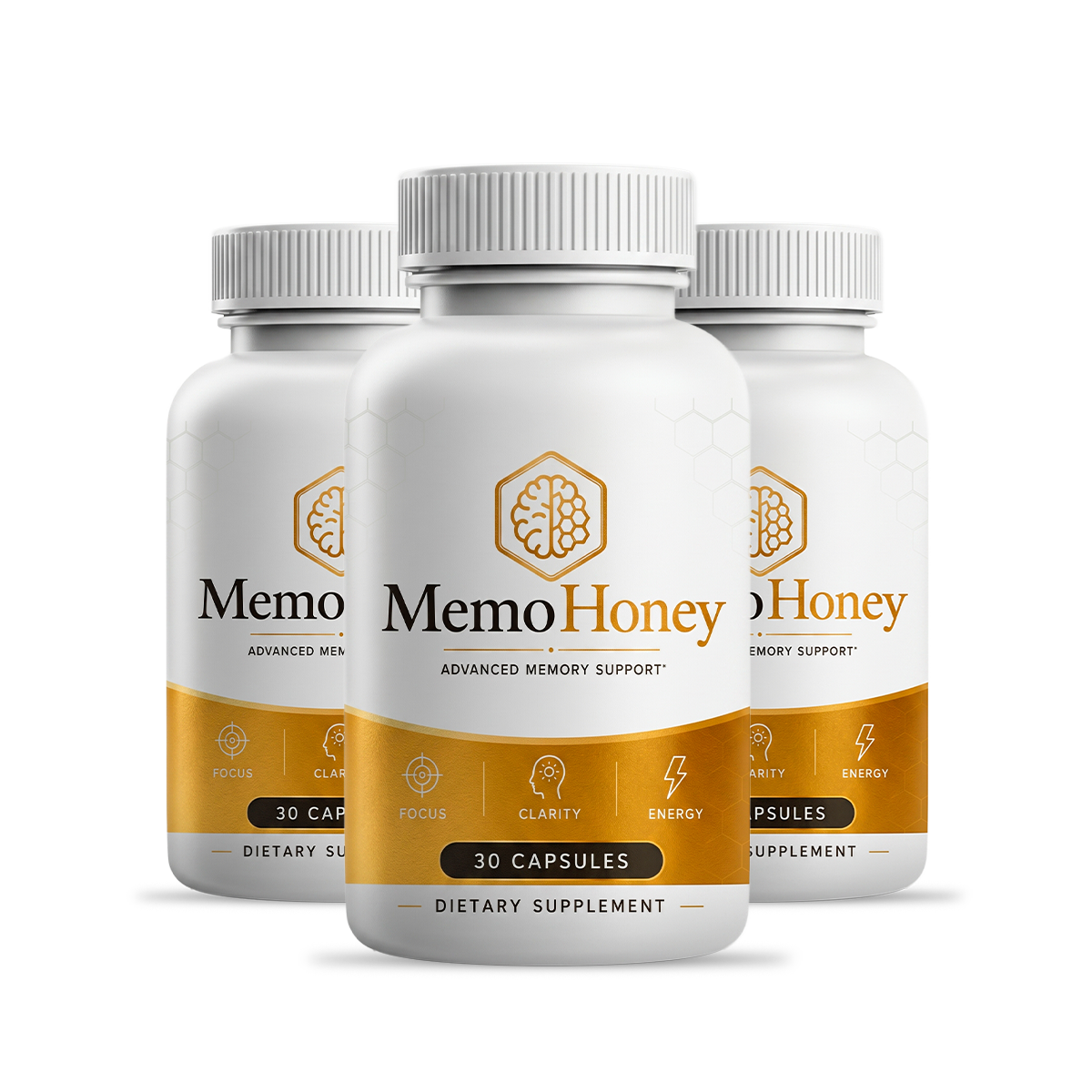
MemoHoney Official Website
per bottle on the 6-bottle bundle · 60-day money-back guarantee
Check Current Price Sold through the official checkout only